


Application Description
Angklung: A Traditional Musical Instrument
The word "angklung" originates from the Sundanese term "angkleung-angkleung," which describes the player's movement following the rhythm. Meanwhile, "klung" represents the musical tone produced by the instrument.
Each note is produced by a bamboo tube of a specific size. When shaken, these tubes create a beautiful, pleasant melody. Therefore, to produce a complete melody, angklung are played collectively.
Angklung are typically crafted from black bamboo (Awi wulung) or ater bamboo (Awi temen), known for turning a whitish-yellow color as they dry. An angklung is assembled by bundling two to four bamboo tubes of different sizes, tied together with rattan.
How to Play the Angklung
Playing the angklung is relatively simple: the player holds the frame (the top part) and shakes the lower section to produce sound. There are three basic playing techniques:
1. Kerulung (Vibrato)
This is the most common and fundamental technique. Both hands hold the base of the bamboo tubes and shake them repeatedly from side to side to sustain the note.
2. Centok (Snap)
In this technique, the tube is snapped quickly by the fingers against the palm, causing the angklung to produce a single, percussive sound.
3. Tengkep (Mute)
With this method, the player vibrates one tube while holding the other tube still to prevent it from resonating, resulting in a single, clear note.
Types of Angklung
Throughout the history of the angklung, many regions in Indonesia have developed new varieties. Here are several types:
1. Angklung Kanekes
Originating from the Baduy people, the Angklung Kanekes is performed only during rice planting ceremonies. Its creation is restricted to members of the Baduy Dalam tribe.
2. Angklung Reog
This type of angklung is used to accompany the Reog Ponorogo dance in East Java. It features a distinctive shape and sound, characterized by a louder volume and only two notes. Often used as decoration, it is also known as "klong kluk."
3. Angklung Dogdog Lojor
Dogdog Lojor is a tradition honoring the rice plant. This angklung is used exclusively during the ritual procession. The tradition is upheld by the Kasepuhan Pancer Pangawinan community or the South Banten customary union, who hold the Dogdog Lojor ceremony annually.
In the Dogdog Lojor tradition, there are only six players: two perform the Dogdog Lojor angklung, while the other four play larger angklung.
4. Angklung Badeng
Hailing from Garut, the Angklung Badeng was initially used to accompany rice planting rituals. With the spread of Islam in the past, its function shifted to accompanying Islamic preaching (dakwah).
A set of nine angklung is required for this purpose, consisting of two roel angklung, one kecer angklung, four indung angklung, two anak angklung, two dogdog drums, and two gembyung drums.
5. Angklung Padaeng
This type was first introduced by Daeng Soetigna in 1938. He modified the tube structure to produce a diatonic scale, enabling the angklung to be played alongside popular modern instruments.
Daeng Soetigna's vision was continued by Handiman Diratmasasmita, who aimed to elevate the angklung to the status of an international instrument.
Handiman advanced the production of the diatonic angklung with further improvements. Another key figure in popularizing the angklung was Udjo Ngalegena.
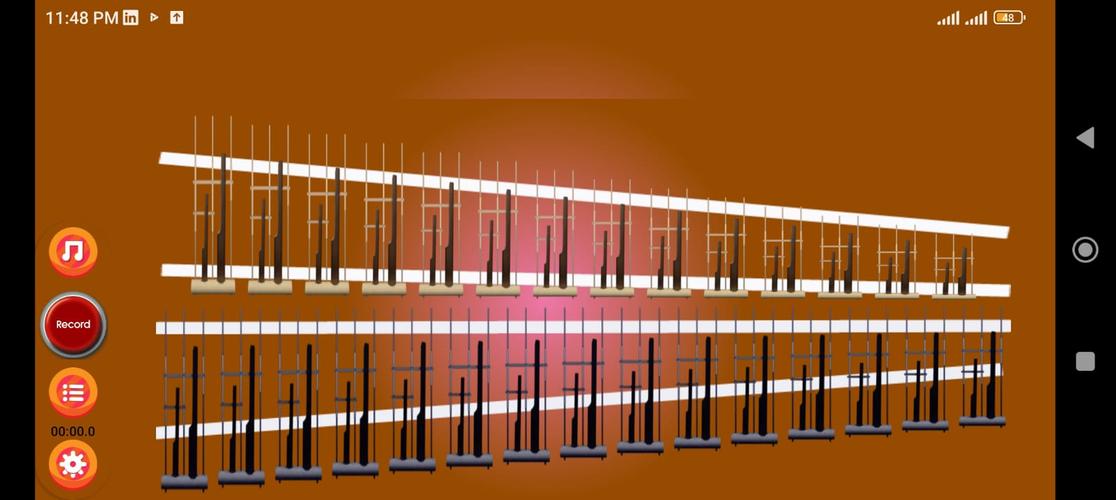
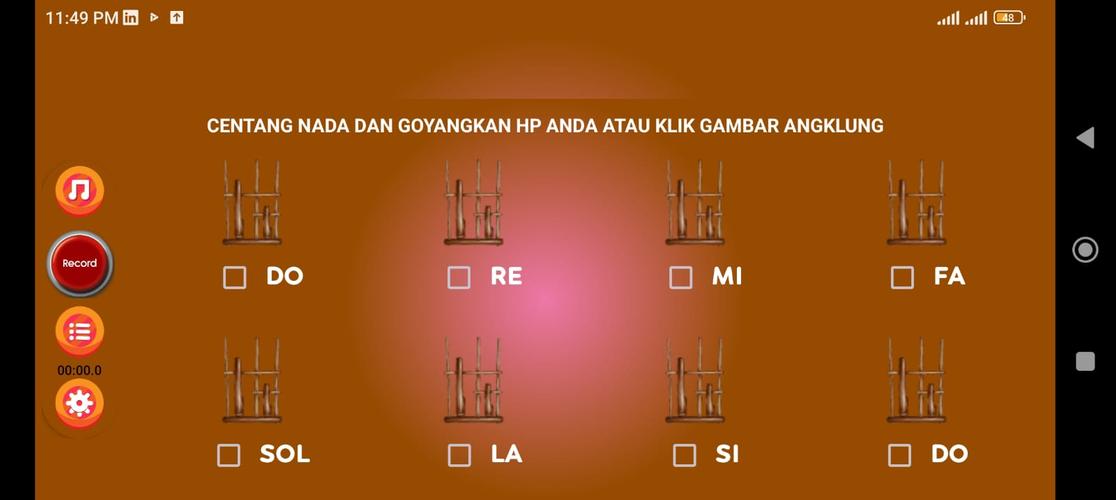
Angklung Instrument Screenshots

Reviews
Post Comments
Trending Games
Trending apps





![A Father’s Sins – Going to Hell [Ch. 7 Public] By Pixieblink](https://imgs.39man.com/uploads/67/1719578270667eae9eb6a75.jpg)






Latest Articles
More


Abalone App Revives Classic Board Game
Sep 14,2026
Devolver Digital Game Arrives Same Day As GTA 6
Sep 13,2026