Steam, Epic Must Disclose Lack of Game Ownership
Author: Aiden
Dec 04,2025


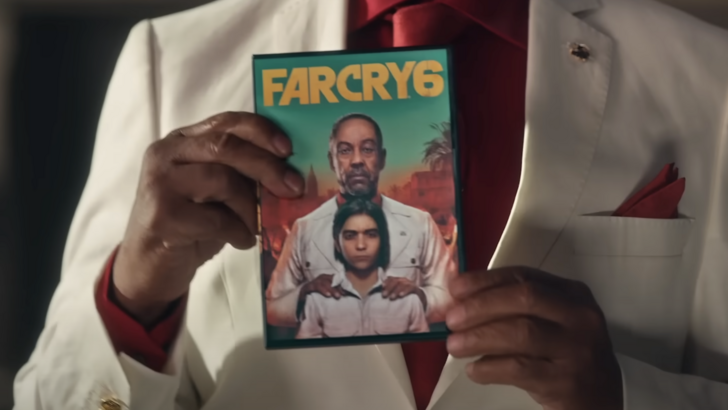
A groundbreaking California law now mandates digital game platforms like Steam and Epic to clearly disclose whether purchased games are actually owned by users or merely licensed.

California's newly enacted AB 2426 legislation requires digital marketplaces to explicitly state whether transactions grant ownership rights or simply provide limited licenses. Governor Gavin Newsom signed the bill to combat deceptive marketing practices in the digital entertainment sector.
The legislation broadly defines protected digital games as "any interactive application accessed through electronic devices, including all related add-ons and additional content." Platforms must disclose license terms using prominent visual indicators like contrasting text colors, larger fonts, or special symbols for clarity.
Violations could result in civil penalties or misdemeanor charges, with the law specifically prohibiting claims of "unrestricted ownership" unless consumers can permanently access purchased content offline. "In our increasingly digital marketplace, consumers deserve absolute clarity about their transaction rights," stated lawmakers in the bill commentary.

The legislation follows recent controversies like Ubisoft decommissioning The Crew racing game, rendering purchased copies unplayable. However, it doesn't explicitly address subscription services like Xbox Game Pass or game streaming platforms.
Assemblymember Jacqui Irwin emphasized: "Consumers naturally assume digital purchases mirror physical media ownership. This law corrects that misconception by mandating transparent license disclosures." The statute also restricts terms like "buy" or "purchase" unless clearly qualifying the limited nature of digital rights.

The legislation emerges as industry executives like Ubisoft's Philippe Tremblay advocate normalizing non-ownership models, comparing the transition to consumers embracing streaming over physical media collections. "Players need to grow comfortable with accessing rather than owning games," Tremblay remarked earlier this year.




![A Father’s Sins – Going to Hell [Ch. 7 Public] By Pixieblink](https://imgs.39man.com/uploads/67/1719578270667eae9eb6a75.jpg)